

When it comes to pipe threading systems, one of the most frequently asked questions in engineering, plumbing, aerospace manufacturing, and industrial machining is: Is BSP better than NPT? While both thread standards are widely used globally, each has distinct structural, functional, and application-specific advantages. Understanding these differences is essential for anyone working with fluid systems, pneumatic connections, pressure systems, or threading tools.
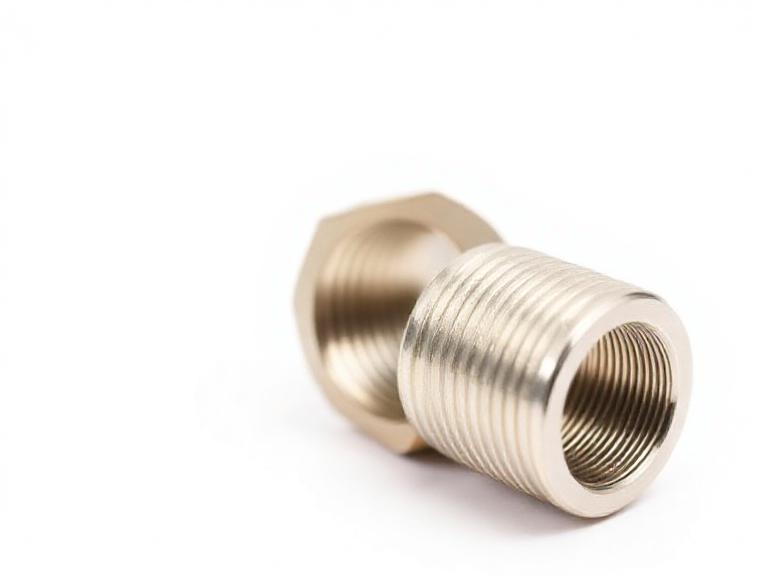
This comprehensive guide explores the differences between BSP and NPT, evaluates their strengths and weaknesses, and helps you decide which thread system is best for your application. It also includes expert insights from MisolGroup — a global leader in premium thread cutting tools designed for BSP, NPT, and other international thread standards.
Table of Contents
What Are BSP and NPT Threads?
Before answering the question “Is BSP better than NPT?”, it’s important to understand what each thread type is and how it is used.
BSP Threads (British Standard Pipe)
BSP is a European and international thread standard commonly used in Asia, Africa, and Australia. BSP threads come in two forms:
- BSPP – British Standard Pipe Parallel (G-thread)
- BSPT – British Standard Pipe Tapered (R-thread)
BSP threads typically seal using a washer or O-ring (BSPP) or thread deformation (BSPT).
NPT Threads (National Pipe Thread)
NPT is the North American standard for tapered pipe threads. NPT relies on thread deformation to form a pressure-tight seal without requiring gaskets.
NPT is the dominant thread standard in the U.S. and Canada, but less common in Europe and Asia.
Difference Between BSP and NPT
The primary differences between BSP and NPT involve geometry, thread angle, sealing method, and compatibility.
1. Thread Angle
- BSP: 55° thread angle
- NPT: 60° thread angle
This geometric difference makes the two thread types incompatible.
2. Crest and Root Design
NPT threads have sharp crests and roots, while BSP threads are rounded. This affects machining, sealing, and strength.
3. Sealing Mechanism
- BSPP: Requires O-ring or bonded washer
- BSPT: Tapered sealing through thread compression
- NPT: Tapered sealing requiring thread sealant (PTFE tape)
4. International Usage
BSP is used globally, while NPT is primarily used in North America.
So, Is BSP Better Than NPT?
The answer depends entirely on your application. Asking whether BSP is better than NPT is similar to asking whether metric is better than imperial—each serves a purpose in different regions and applications.
When BSP Is Better
BSP is typically better when you need:
- Higher sealing reliability using O-rings or washers
- More availability outside North America
- Ease of installation without thread sealant
- Compatibility with European machinery
When NPT Is Better
NPT is generally better for:
- High-pressure fluid systems
- Applications requiring tapered mechanical sealing
- Industrial equipment manufactured in North America
Performance Verdict
Neither BSP nor NPT is universally “better” — the right choice depends on industry, region, pressure level, and sealing style.
However, BSPP sealing with an O-ring is often considered superior for sensitive applications such as hydraulics and aerospace because it ensures leak-free performance with minimal torque variation.
Where BSP and NPT Are Used
Common BSP Applications
- European machinery
- Hydraulic systems
- Aerospace manufacturing
- Precision engineering
- Asian industrial equipment
Common NPT Applications
- Oil & gas pipelines
- North American plumbing
- HVAC systems
- Industrial pressure vessels
- Heavy equipment manufacturing
BSP vs NPT: Summary Comparison Table
| Feature | BSP | NPT |
|---|---|---|
| Thread Angle | 55° | 60° |
| Seal Type | O-ring (BSPP), Tapered (BSPT) | Tapered, requires sealant |
| Best For | Hydraulics, international equipment | High-pressure systems |
| Compatibility | Not compatible with NPT | Not compatible with BSP |
| Global Usage | Europe, Asia, Middle East, Australia | United States, Canada |
Company & Product Spotlight: MisolGroup Thread Cutting Tools
Choosing the right thread type is important — but using the right threading tools is even more critical. As industries demand high precision and durability, professional threading tools play a vital role in manufacturing, maintenance, and repair.
About MisolGroup
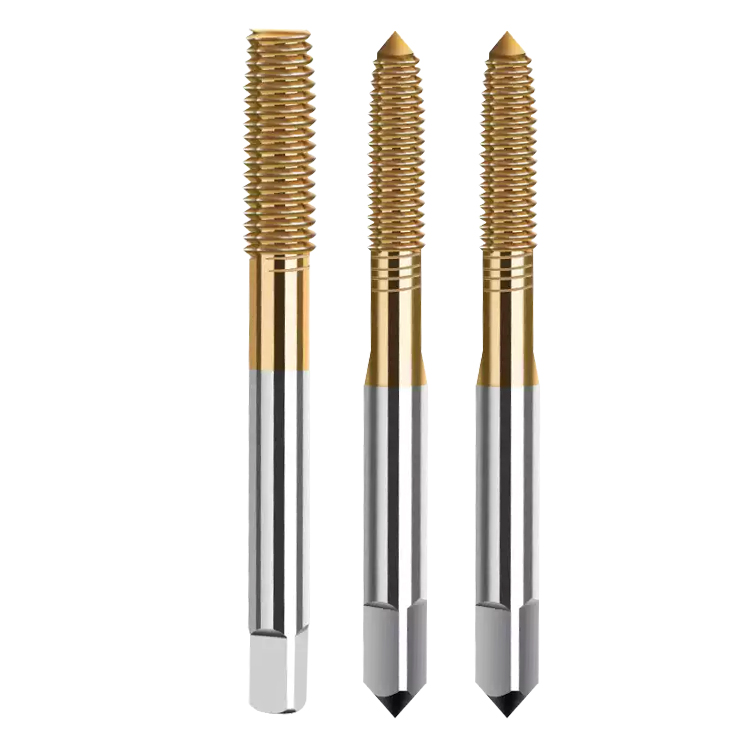
Established in 2005, MisolGroup is a leading Chinese manufacturer specializing in high-performance thread cutting tools. The company integrates R&D, automated production, precision testing, and global sales to ensure the highest level of reliability for BSP, NPT, and other thread systems.
Why MisolGroup Stands Out
- Full In-House Production using CNC automation and vacuum heat treatment
- Premium Materials: M35, DV3, and M2 high-speed steels
- ISO-certified quality and strict performance consistency
- Industry expertise: automotive, aerospace, defense, electronics, mold manufacturing
- Optimized for difficult materials including cast iron, stainless steel, and non-ferrous alloys
Featured MisolGroup Thread Tool Products
- (10S-529) Standard Tap Series — durable, high-precision cutting
- DIN371 German Industrial Standard Taps
- JIS Spiral Groove Tap Series — ideal for stainless steel and high-toughness materials
For manufacturers and machinists looking to cut BSP or NPT threads with precision, MisolGroup provides advanced tooling solutions trusted across demanding industries.
How to Choose the Right Thread Type
1. Consider Regional Standards
- North America → NPT
- Europe/Asia → BSP
2. Consider Sealing Requirements
- O-ring sealing needed → BSPP
- High-pressure metal-to-metal sealing → NPT or BSPT
3. Consider Machining and Tooling Availability
MisolGroup offers specialized taps optimized for both standards.
4. Consider System Compatibility
Never mix BSP and NPT threads.
Frequently Asked Questions
1. Is BSP better than NPT?
Neither is universally better. BSPP is better for O-ring sealing, while NPT is better for high-pressure tapered sealing.
2. Can BSP and NPT threads be connected together?
No. The thread angles and profiles differ, causing leaks or thread damage.
3. Which is more common globally?
BSP is used worldwide; NPT is mostly used in North America.
4. Which thread type is better for hydraulics?
BSPP is typically preferred due to reliable O-ring sealing.
5. Which thread type needs sealant?
NPT almost always requires PTFE tape or sealant.