

Thread tapping is a critical process in machining that involves cutting internal threads into a hole. Understanding the right thread tapping size chart is essential for selecting the correct tools and achieving high-precision results. This guide will cover the 2025 thread tapping size chart, the types of thread taps available, and how to choose the right tap for your machining needs.
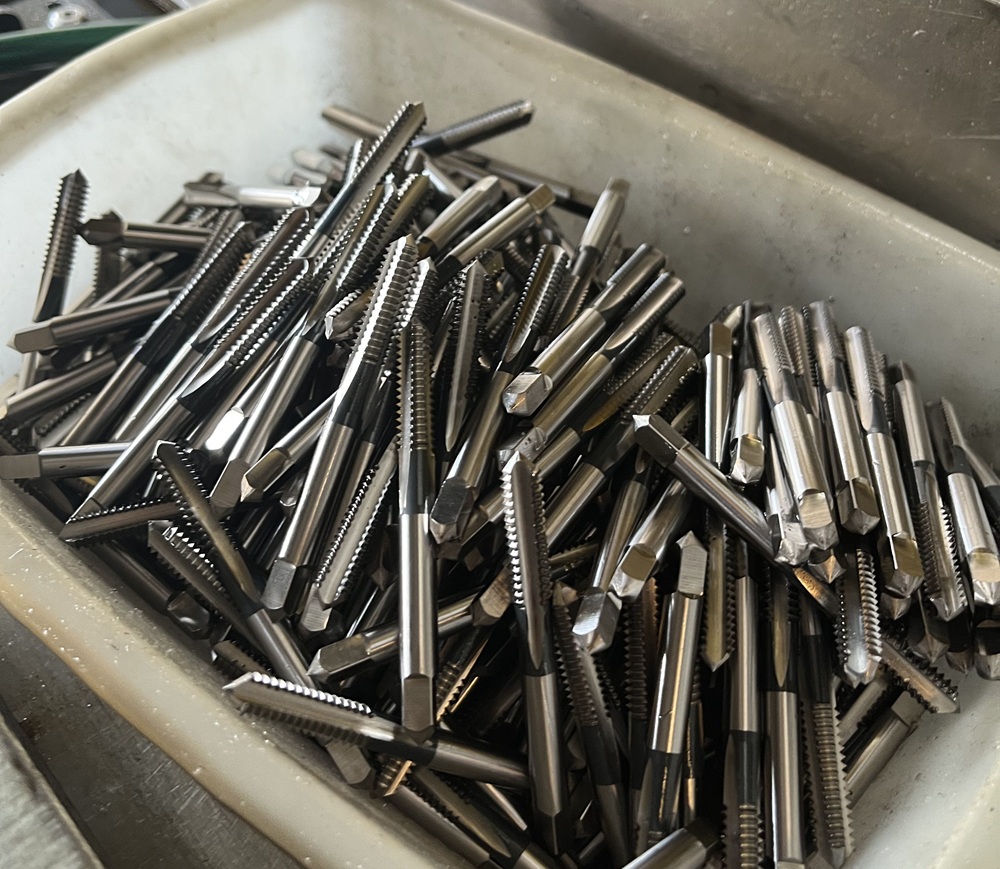
Table of Contents
Introduction to Thread Tapping
Thread tapping is used to create threads in a hole, which is essential for fastening applications. This process is common in manufacturing industries, and knowing how to use the proper tapping tool for different materials and thread sizes can significantly impact productivity and the quality of the final product. The 2025 thread tapping size chart provides valuable information on the dimensions, thread pitches, and tap types required for various machining projects.
Understanding Thread Tapping Sizes
Thread tapping sizes are based on a range of factors, including the material being machined, the application of the threads, and the type of tap being used. Below is an overview of the key elements that determine tapping sizes:
- Tap Size: This refers to the nominal diameter of the thread being cut.
- Thread Pitch: The distance between each thread. The finer the pitch, the smaller the distance between threads.
- Tap Type: There are different types of taps like spiral point, spiral flute, and straight taps, each designed for specific applications.
The 2025 Thread Tapping Size Chart gives you all the information you need to match the right tap to the desired thread size and pitch. Here’s a sample of the tapping sizes:
| Tap Size | Thread Pitch (mm) | Recommended Application |
|---|---|---|
| M3 | 0.5 | General Purpose, Small Parts |
| M6 | 1.0 | Medium-Duty Applications, Automotive |
| M10 | 1.5 | Heavy-Duty Parts, Aerospace |
| M12 | 1.75 | High-Strength Materials, Structural Components |
Types of Thread Taps
Choosing the right type of thread tap is crucial to achieving the desired results. Below are the most commonly used types of taps:
- Spiral Point Tap: Designed for through holes, spiral point taps are ideal for cutting threads in materials like steel, aluminum, and cast iron.
- Spiral Flute Tap: Best suited for blind holes, these taps move the chips upward, preventing clogging and ensuring a cleaner thread.
- Straight Flute Tap: These taps are used for general threading and are ideal for threading brittle materials.
- Form Tap: A cold-forming process that creates threads without cutting material, ideal for soft metals and high-volume production.
MisolGroup Product Range
Since our founding in 2005, MisolGroup has become a trusted global supplier of high-performance thread cutting tools. We specialize in producing thread taps that cater to the most demanding applications. Here are some of our top products:
10S-529 Standard Series Thread Tap
The 10S-529 thread tap is part of our standard series and is designed for general-purpose machining. Made from high-speed steel, it delivers superior performance and durability for a wide range of materials.
DIN371 German Industrial Standard Thread Tap
Our DIN371 thread tap complies with German industrial standards and is engineered to provide clean, precise threads. It’s ideal for heavy-duty and high-precision applications.
JIS Spiral Groove Tap Series
The JIS spiral groove taps are designed for high-speed threading in challenging materials. Their spiral flute design ensures smooth chip removal, reducing tool wear and improving efficiency.
Frequently Asked Questions (FAQs)
What is the difference between a spiral point tap and a spiral flute tap?
A spiral point tap is used for through holes, while a spiral flute tap is ideal for blind holes. Spiral flute taps help evacuate chips from the hole, making them more suitable for deep threads.
How do I select the right tap size for my project?
Choose the appropriate tap size based on the hole diameter, thread pitch, and material you’re working with. Refer to the 2025 thread tapping size chart to ensure you’re selecting the correct dimensions.
Conclusion
Understanding the thread tapping size chart and the types of taps available is essential for achieving high-quality threads. By selecting the right size and tap type, you can ensure the precision and efficiency of your machining projects. MisolGroup provides top-of-the-line thread taps designed for demanding industries and materials, making us a trusted partner for all your threading needs.
Explore our full range of thread tapping tools and ensure your next project is a success with the right tapping solutions.