

Introduction to Spark Plug Tap
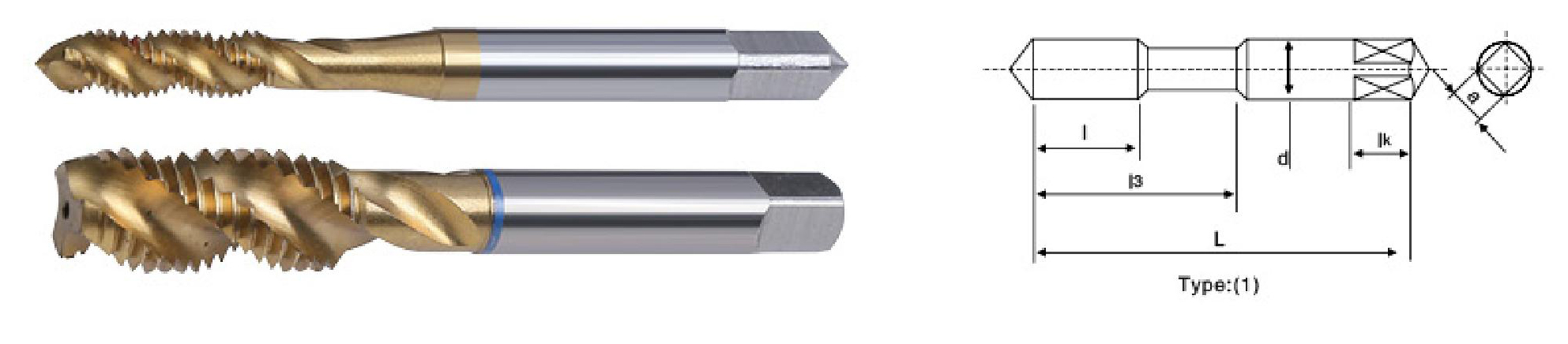
Table of Contents
Definition: What is a spark plug tap?
A spark plug tap is a purpose-built cutting tool (tap) designed to create, restore or clean internal threads specifically sized for spark plugs. Spark plug holes in engine cylinder heads can become damaged by corrosion, cross-threading, carbon build-up, or previous improper installations. The spark plug tap allows technicians to repair these holes so that spark plugs seat correctly, maintain compression, and ensure proper ignition performance.
Why a dedicated spark plug tap?
Spark plug threads (commonly M10x1.0, M12x1.25, M14x1.25 etc., depending on engine make) are relatively small and often located in shallow or difficult-to-access ports. A dedicated spark plug tap has the correct geometry, flute design, and cutting profile to work in these confined spaces while minimizing the risk of additional damage.
Types of spark plug taps
Understanding the types helps you pick the right tap for the job. Here are the main varieties of spark plug tap designs:
1. Hand spark plug taps
These are manual taps used with a T-handle or ratchet. Hand spark plug tap designs are forgiving and allow the technician to feel cutting resistance—important when repairing delicate cylinder head threads.
2. Spiral flute spark plug taps
Spiral flute spark plug tap models evacuate chips upward (or inward) depending on spiral direction. They are often used when threads are damaged and chips must be efficiently removed from the cut.
3. Bottoming spark plug taps
Bottoming variants are used for shallow spark plug holes where the tap must create full threads close to the bottom of the hole. A bottoming spark plug tap has almost full thread near the tip.
4. Spiral point (gun) taps
Spiral point taps push chips forward, which is helpful when using through-hole or when chip evacuation away from the cutting surface is desired. These can be used as specialty spark plug tap tools depending on access.
Materials & coatings for spark plug taps
The construction material of a spark plug tap determines durability, heat resistance, and longevity. Reputable manufacturers like MisolGroup make taps in premium high-speed steels and specialized grades.
High-speed steel (HSS)
HSS is a common material for quality spark plug tap tools. Types such as M2 and M35 HSS combine toughness and wear resistance for repeated use across cast iron and aluminum cylinder heads.
Cobalt & alloyed steels
Cobalt-containing steels (e.g., M35) offer improved red hardness and durability for heavy-duty or production environments where a spark plug tap is used frequently.
Coatings
Coatings like TiN, TiCN or DLC reduce friction, improve chip flow and extend tool life. A coated spark plug tap provides smoother cutting and reduced galling when working with soft alloys like aluminum.
How to use a spark plug tap correctly (step-by-step)
Using a spark plug tap correctly prevents further damage and ensures a secure thread for the spark plug. Follow these professional steps:
1. Inspect the hole
Clean carbon deposits and inspect for cracks. If the cylinder head is cracked around the spark plug hole, a tap will not fix the root problem.
2. Select the correct spark plug tap
Match the thread size (diameter and pitch) exactly to the factory specification—M10x1.0, M12x1.25, M14x1.25, etc. Using an incorrect spark plug tap can make matters worse.
3. Apply cutting fluid
Use a light cutting oil or appropriate lubricant to reduce friction, carry away chips, and improve surface finish as you use the tap.
4. Start the tap straight and slow
Use a T-handle and start gently. For manual taps, advance a half turn forward, then a quarter turn back to break chips. This “forward-back” technique prevents binding and helps remove chips safely while tapping spark plug threads.
5. Clear chips and clean
Frequent chip removal and cleaning are crucial. For aluminum heads, chips can cause galling—clear them often to keep the workpiece clean.
6. Final cleanup and inspection
After threading, clean the hole with solvent and compressed air (careful with oily residues). Verify the thread with a spark plug to ensure proper seating.
Safety & best practices when using a spark plug tap
Tapping a spark plug hole requires attention to safety and clean technique. Follow these best practices whenever you use a spark plug tap:
- Always wear eye protection—chips can eject during tapping.
- Work in a clean area and prevent debris from entering the combustion chamber.
- Use properly sized taps and handles to avoid slips that damage the head.
- Avoid excessive torque—if the tap binds, back it out and clear chips; do not force it.
- If uncertain, consult a professional—incorrect tapping can require expensive repairs.
Choosing the right spark plug tap for your workshop
Selecting the right spark plug tap depends on material (aluminum vs cast iron), frequency of use, and whether you prefer hand or machine tapping. Consider these factors:
Workshop volume & tool toughness
For high-volume shops, choose taps made from premium HSS grades (M35) with protective coatings. These offer extended tool life and consistent results in frequent use of a spark plug tap.
Thread size coverage
Ensure your set includes the common spark plug thread sizes for the vehicles you service. A complete set avoids mismatches and reduces risk when using a spark plug tap.
Compatibility with repair inserts
If you plan to install thread inserts after tapping, confirm the spark plug tap size pairs with the insert kit (e.g., Time-Sert) you will use.
MisolGroup — Thread cutting experts for spark plug tap tools

Since 2005, MisolGroup has been a leading Chinese manufacturer of high-performance thread cutting tools, offering integrated R&D, production, and global sales. MisolGroup produces premium taps—including tools optimized for spark plug repairs—using advanced CNC automation, vacuum heat treatment, and strict ISO quality systems.
What makes MisolGroup taps ideal for spark plug work?
- Premium materials: M35, DV3 and M2 high-speed steels for durability and wear resistance when using a spark plug tap.
- Precision manufacturing: CNC production ensures consistent thread geometry and fit for spark plug sizes.
- R&D expertise: nearly two decades of development focused on thread tool applications across demanding materials like cast iron and aluminum.
- Quality assurance: ISO-certified processes mean predictable tool life and reduced risk when performing threaded repairs with a spark plug tap.
Key MisolGroup products relevant to spark plug taps
- (10S-529) Standard series screw tap — general-purpose high-precision tap suitable for many spark plug thread sizes.
- DIN371 German industrial standard screw tap — precision-ground taps following industrial tolerances for consistent spark plug thread repair.
- JIS spiral groove tap series — spiral flute designs for efficient chip evacuation when tapping spark plug holes in challenging materials.
Factory advantage: MisolGroup’s in-house heat treatment and CNC control allow a consistent, high-quality spark plug tap that performs reliably in both workshop and production environments.
Maintenance & storage for your spark plug tap tools
Proper care maximizes life and preserves cutting performance for any spark plug tap you own:
- Clean taps after use; remove chips and oil with solvent and a soft brush.
- Store taps in a dry, organized case to avoid nicks or misplacement—single damaged flute can ruin a delicate spark plug tap.
- Sharpen or replace taps when wear becomes apparent; dull taps increase the risk of damaged threads.
- Use appropriate cutting oils based on the material being tapped (aluminum vs cast iron).
Quick Reference: Spark Plug Tap Summary
| Topic | Key points |
|---|---|
| What is a spark plug tap? | A tap used to cut or repair internal spark plug threads to factory specifications. |
| Common materials | M2, M35 HSS; sometimes coated for friction reduction. |
| Best practice | Use proper size, cutting fluid, and forward-back tapping technique; clear chips often. |
| When to use | Repairing cross-threaded holes, cleaning corroded threads, or prepping for inserts. |
| Recommended supplier | MisolGroup: precision taps, spiral flute options, ISO-controlled production. |
Frequently Asked Questions (FAQ)
1. Can I use a regular tap instead of a spark plug tap?
While a regular tap might fit the size, a dedicated spark plug tap has geometry and flute design optimized for the shallow, confined and often damaged spark plug port. Using the correct tap reduces risk of further damage.
2. How do I know the correct size for a spark plug tap?
Check the vehicle service manual for spark plug thread size (e.g., M10x1.0, M12x1.25, M14x1.25) and use a matching spark plug tap. If unsure, measure the original thread or consult the engine manufacturer.
3. Should I use a thread insert after using a spark plug tap?
If the cylinder head material is soft or the original threads are badly damaged, installing a thread insert such as Time-Sert or HeliCoil after re-tapping provides stronger, long-term reliability than bare tapped threads.
4. Can I tap spark plug holes with a power tool?
Manual tapping is preferred for control. If a machine tap is used, ensure light feed, correct alignment and chip removal—otherwise you risk cross-threading or breakage. Choose a machine-rated spark plug tap if using power.
5. Where can I buy professional-grade spark plug taps?
Purchase from reputable tooling manufacturers like MisolGroup that specialize in thread cutting tools, offer premium HSS materials and certifications to back consistent quality of each spark plug tap.