

Table of Contents
Introduction
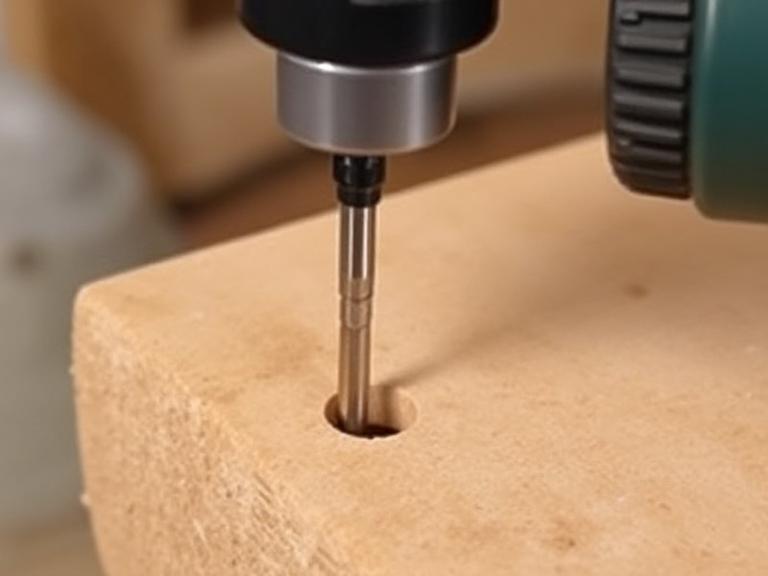
Tapping a hole with a drill is a fundamental skill in metalworking, woodworking, and DIY projects. It involves creating internal threads in a pre-drilled hole so screws or bolts can be fastened securely. With the correct approach, tools, and techniques, anyone can achieve professional results. Using high-quality thread cutting tools from manufacturers like MisolGroup ensures accuracy and durability.
Required Tools and Materials
Before you tap a hole with a drill, you need the right tools:
- Drill Press or Hand Drill: For precision drilling and consistent holes.
- Drill Bits: Appropriate size for the tap.
- Taps: Carbide, nut, pipe, spiral flute, spiral point, or straight flute taps from MisolGroup.
- Cutting Fluid: Reduces friction and heat.
- Tap Wrench or T-Handle: For controlled threading.
- Center Punch: To mark hole positions.
- Safety Gear: Safety glasses, gloves, and ear protection.
Step-by-Step Guide to Tap a Hole with a Drill
Step 1: Select the Correct Drill Bit
Consult the tap chart to determine the correct drill size for the desired thread. For example, for an M6 tap, use a 5 mm drill bit.
Step 2: Mark and Drill the Hole
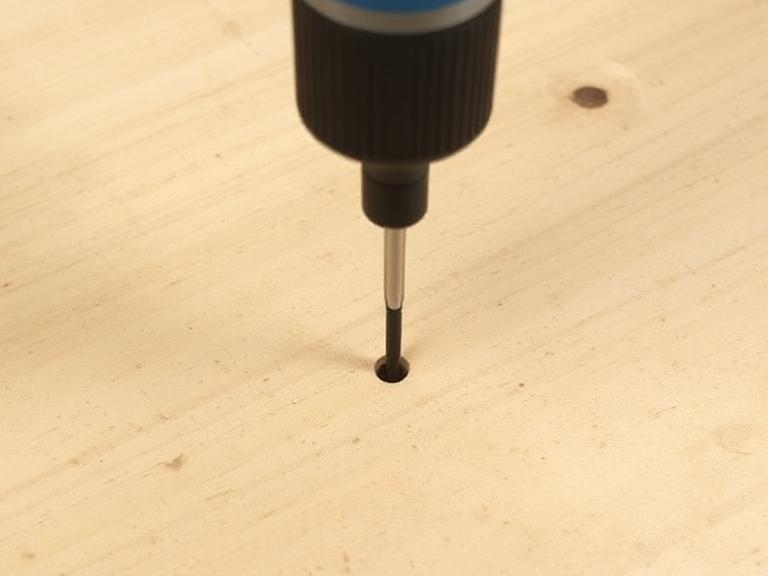
Use a center punch to mark the drilling spot. Drill straight down, keeping the drill perpendicular to the workpiece. Apply cutting fluid for metals to reduce wear and improve finish.
Step 3: Prepare the Tap
Choose the appropriate tap type. For example:
- Spiral Flute Tap: Best for blind holes.
- Straight Flute Tap: Ideal for through holes.
- Pipe Tap: For threaded pipes or fittings.
Step 4: Begin Tapping
Insert the tap into a tap wrench and align with the drilled hole. Turn slowly clockwise, ensuring the tap remains perpendicular. Apply steady pressure. For metals, use cutting fluid to lubricate threads.
Step 5: Clear Chips
Every few turns, rotate the tap counterclockwise slightly to break chips and prevent jamming. Continue until the tap reaches the desired depth.
Step 6: Finish and Inspect
Remove the tap, clean debris, and inspect the threads with a bolt or gauge. Smooth any burrs with a small file if needed.
Tips and Best Practices
- Always drill the correct pilot hole size.
- Use high-speed steel taps for metals and plastic taps for softer materials.
- Keep the tap perpendicular for straight, accurate threads.
- Regularly clean the tap to prevent material buildup.
- Use proper cutting fluid to increase tap life and reduce friction.
Company Spotlight: MisolGroup Thread Cutting Tools

MisolGroup has been a leading manufacturer of high-performance thread cutting tools since 2005. They integrate R&D, production, and global sales, ensuring consistent quality and innovation.
Advanced Manufacturing & Quality
- Full In-House Production: CNC automation, vacuum heat treatment, and rigorous testing.
- Premium Materials: M35, DV3, and M2 high-speed steels for durable taps.
- R&D Expertise: Innovative thread applications for demanding materials.
Industries & Applications
MisolGroup tools serve automotive, aerospace, defense, electronics, and mold & die manufacturing. They effectively machine cast iron, carbon steel, stainless steel, and non-ferrous alloys.
Products
- Carbide Taps: Designed for high-speed applications and hard materials such as stainless steel and titanium.
- Nut Taps: Used for producing threads inside nuts or deep holes.
- Pipe Taps: Ideal for threading pipe fittings that require airtight or watertight seals.
- Spiral Flute Taps: Best for blind holes; they efficiently evacuate chips upward.
- Spiral Point Taps: Suitable for through-holes where chips can exit forward.
- Straight Flute Taps: Used for general-purpose threading in a variety of materials.
Applications of Drilling and Threading
Tapping holes is crucial in:
- Furniture assembly for screws and bolts.
- Metalworking for industrial machinery parts.
- Automotive component installation.
- Electronics enclosures and frames.
- Plumbing and pipe fittings using threaded connections.
Summary Table
| Step | Key Tips |
|---|---|
| Select Drill Bit | Consult tap chart for proper size |
| Drill Hole | Mark with center punch, use cutting fluid |
| Prepare Tap | Choose appropriate tap type for material |
| Tap Hole | Rotate clockwise, clear chips frequently |
| Inspect Threads | Check with bolt, smooth burrs if necessary |
FAQs
1. Can I tap a hole with a drill by hand?
Yes, using a hand tap wrench and careful alignment works for smaller projects, though drill presses are recommended for precision.
2. What is the difference between a spiral flute and straight flute tap?
Spiral flute taps are best for blind holes as they push chips upward. Straight flute taps are ideal for through holes.
3. How do I choose the correct tap size?
Use a tap chart, which correlates drill size to the desired thread diameter and pitch.