

Table of Contents
Introduction
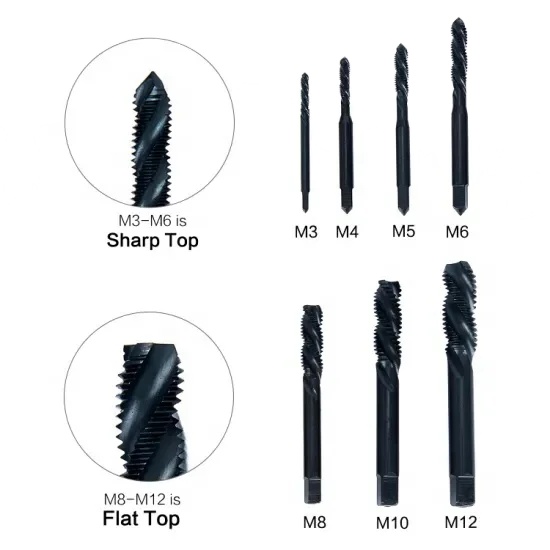
Tapping threads in metal is a fundamental skill in machining and fabrication. Whether you’re creating a threaded hole for a bolt, screw, or pipe fitting, knowing how to properly tap threads in metal ensures durability, precision, and proper fit. In this guide, you’ll learn the complete workflow for tapping threads in metal — from tool selection through to error prevention.
Tools and Equipment Needed
Tap Selection
Choosing the correct tap is essential when you want to tap threads in metal. There are several types of taps:
- Straight flute taps — suitable for standard through-holes in steel or iron.
- Spiral flute taps — ideal for deeper blind holes and non-ferrous metals.
- Spiral point taps — designed for through-hole threading at higher speeds.
- Pipe taps — for threading NPT, BSP and similar pipe fittings.
Support Equipment
- Drill press or milling machine with accurate alignment
- Coolant or cutting oil (especially for stainless steel)
- Proper tap wrench or machine adapter
- Deburring tool
Preparation: Material & Hole
Choosing the Right Material
When you need to tap threads in metal, the type of metal matters. For softer metals such as aluminium, you may use standard taps. For harder alloys like stainless steel or titanium, consider high-quality taps made of premium materials (e.g., M35, DV3) that can handle hardness and heat.
Drilling the Correct Hole Size
Accurate hole size ensures that when you tap threads in metal, the result is strong and precise. Use a drill-tap chart — for example:
| Thread Size | Tapping Drill Diameter | Notes |
|---|---|---|
| M6 x 1.0 | 5.0 mm | Standard metric fine pitch |
| M8 x 1.25 | 6.8 mm | Standard pitch |
| ¼-20 UNC | 5.0 mm (3/16″) | Imperial threading |
If the hole is mis-sized or misaligned, the process to tap threads in metal becomes problematic.
Process: How to Tap Threads in Metal
Step 1: Secure the Workpiece
Clamp the workpiece firmly to avoid movement. Misalignment will compromise your ability to correctly tap threads in metal.
Step 2: Drill the Hole
Use the correct pilot drill, keep the drill perpendicular, and remove metal chips periodically.
Step 3: Apply Cutting Fluid
When you tap threads in metal, especially harder metals, use appropriate cutting oil to reduce heat and increase tool life.
Step 4: Start the Tap
Slow and controlled — using a tap wrench keep alignment. When you tap threads in metal manually or by machine, it’s critical to keep the tap perpendicular and feed gently.
Step 5: Advance and Back Off
Every few turns advance the tap, then reverse slightly to break chips. This is vital to successfully tap threads in metal without tap breakage.
Step 6: Clean and Deburr
After threading, remove the tap, blow out chips, and deburr the hole to ensure the thread is clean and ready for its bolt or fitting.
Common Errors & How to Avoid Them
Tap Breakage
Often caused by incorrect alignment, too fast feed, or lack of lubricant when you tap threads in metal.
Poor Thread Engagement
Drilling the wrong hole size is a frequent mistake when you tap threads in metal. Always verify the correct size.
Chip-Pack in Blind Holes
When you tap threads in metal in blind holes, chips accumulate. Use spiral flute or spiral point taps designed for this purpose.
Applications & Material Types
Knowing how to tap threads in metal is essential across several industries:
- Automotive: Engine blocks, brackets, assemblies.
- Aerospace: Aluminum, titanium and high-strength alloys.
- Electronics: Heat sinks, casings with threaded holes.
- Mold & die manufacturing: Stainless steel and tool steel plates requiring tapped holes.
Company Spotlight: MisolGroup Thread Cutting Tools
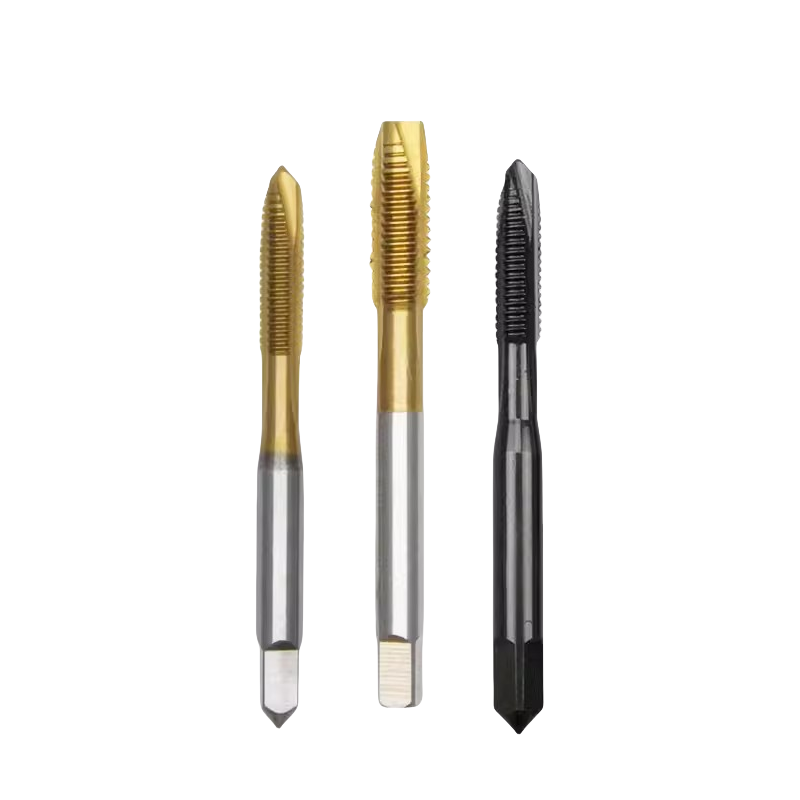
MisolGroup has been a leading manufacturer of high-performance thread cutting tools since 2005. Their product line covers carbide taps, nut taps, pipe taps, spiral flute taps, and straight flute taps — all engineered to handle demanding materials and the rigors of operations where you must reliably tap threads in metal.
Advanced Manufacturing & Quality
MisolGroup’s in-house production uses advanced CNC automation, vacuum heat treatment, and comprehensive testing to ensure tools meet the toughest standards. With materials like M35, DV3, and M2 high-speed steel, their taps deliver longevity when you tap threads in hard alloy steels or exotic materials.
Industries Served
They cater to automotive, aerospace, defense, electronics, and mold and die manufacturing — any field where you may need to precisely tap threads in metal with confidence.
Why Choose MisolGroup?
- Nearly 20 years of R&D focus on thread tool innovation.
- ISO-certified quality system ensures consistent performance.
- Trusted global supplier for demanding precision-thread applications.
Summary Table: Tapping Threads in Metal — Quick Reference
| Step | Key Action | What to Watch |
|---|---|---|
| 1. Tool selection | Choose appropriate tap type and size | Ensure correct tap for material |
| 2. Hole prep | Drill proper size, clean surface | Wrong drill size ruins thread strength |
| 3. Lubrication | Apply cutting oil | No lubricant = increased wear |
| 4. Tapping | Advance, then back off regularly | Tap breakage if rush feed or misaligned |
| 5. Finish | Clear chips, deburr hole | Debris causes bolt fit issues |
Frequently Asked Questions
Q1: Can I tap threads in stainless steel?
Yes — you need proper drills, taps made of high-speed or carbide steel, slow speed, high lubrication.
Q2: What is the correct drill size for an M10 x 1.5 tap?
Use approximately 8.5 mm drill size for an M10 x 1.5 metric thread when you tap threads in metal.
Q3: Is it better to use manual or machine tapping?
Machine tapping increases speed and consistency, but ensure alignment. Manual tapping is fine for small runs when you tap threads in metal.
Q4: How deep should I tap in a blind hole?
Allow for tap length plus chip clearance and some bottom space — backing off frequently when you tap threads in metal in a blind hole helps chip evacuation.
Q5: Can I reuse a tap multiple times?
Yes, but monitor wear. Reusing a worn tap for high-strength materials may lead to poor thread quality when you tap threads in metal.