

Fine thread self tapping screws are essential fasteners widely used in engineering, manufacturing, construction, automotive assembly, and metal fabrication. Their ability to cut, form, and secure threads in a variety of materials makes them versatile and highly reliable. In this guide, we explain what fine thread self tapping screws are, how they work, where they are used, and how to select the right ones for your applications.
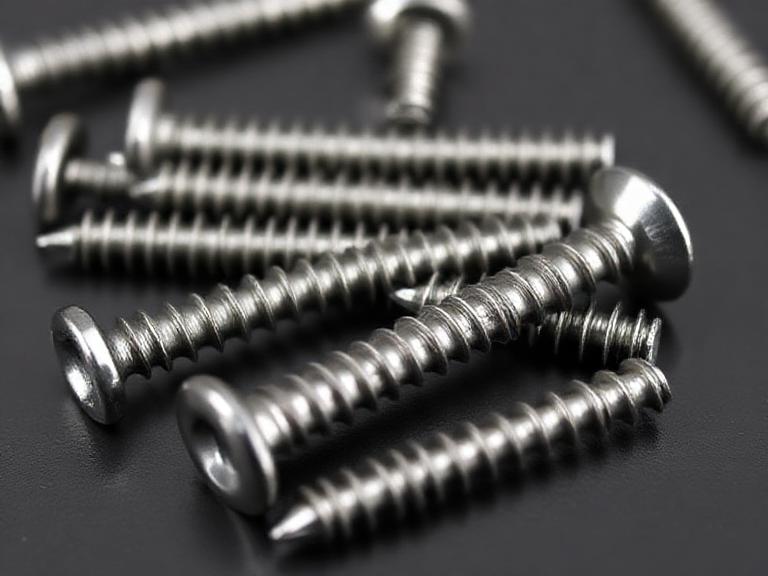
Table of Contents
- What Are Fine Thread Self Tapping Screws?
- How Fine Thread Self Tapping Screws Work
- Benefits of Fine Thread Self Tapping Screws
- Types of Fine Thread Self Tapping Screws
- Common Applications
- Materials & Thread Geometry
- Company Spotlight: MisolGroup
- Summary Table
- How to Choose Fine Thread Self Tapping Screws
- FAQs
- References
What Are Fine Thread Self Tapping Screws?
Fine thread self tapping screws are precision fasteners designed to form or cut threads into a workpiece during installation. Unlike standard coarse-thread screws, fine thread versions feature a smaller pitch, more threads per inch, and deeper engagement, creating stronger holding power in metal, plastics, composites, and high-strength alloys.
They are widely used in industries such as aerospace, electronics, automotive, HVAC manufacturing, and heavy machinery because their fine threads provide superior load distribution, increased strength, and enhanced vibration resistance.
How Fine Thread Self Tapping Screws Work
Fine thread self tapping screws work by cutting or forming matching threads inside a pre-drilled or self-pierced hole. They eliminate the need for pre-threaded components, saving time and increasing efficiency. The screw’s sharp tip, controlled thread geometry, and hardened construction enable it to displace or remove material as it advances.
Two primary mechanisms:
- Thread-cutting — removes material to create a threaded profile.
- Thread-forming — displaces material without chips, ideal for softer metals or plastics.
This dual functionality makes fine thread self tapping screws suitable for high-volume automation systems and precision engineering applications.
Benefits of Fine Thread Self Tapping Screws
The fine thread design enhances performance in several ways:
- Greater tensile strength due to increased thread engagement.
- Improved torque control with less risk of stripping.
- Enhanced vibration resistance—ideal for automotive and aerospace assemblies.
- Better clamping force than coarse-thread screws of equal size.
- Suitable for thin metals, where coarse threads may fail to grip.
These benefits make fine thread self tapping screws a superior choice for engineers requiring precision fastening performance.
Types of Fine Thread Self Tapping Screws
There are several categories of fine thread self tapping screws depending on their geometry and intended application.
1. Thread-Cutting Fine Thread Self Tapping Screws
Designed for hard metals and alloys, these screws cut away material to create new threads. They are ideal for high-precision industries.
2. Thread-Forming Fine Thread Self Tapping Screws
These are chipless fasteners used in plastics, light metals, and aluminum where material displacement provides a resilient internal thread.
3. Self-Drilling Fine Thread Screws
These include a drill-like tip that eliminates the need for pre-drilling, ideal for assembling thin metals or structural steel.
4. Fine Thread Machine-Point Tapping Screws
Used where high torque and tight thread tolerances are required.
Common Applications
Fine thread self tapping screws are essential when precision, strength, and vibration resistance matter. Their primary applications include:
- Automotive engine and body assembly
- Aerospace components requiring precision fastening
- Electronics housings and enclosures
- Defense equipment construction
- HVAC systems and metal duct fabrication
- Mold & die manufacturing
- Industrial machinery assembly
In all these fields, fine thread self tapping screws provide consistent, reliable fastening performance.
Materials & Thread Geometry
The material composition of fine thread self tapping screws plays a critical role in durability and performance. Common materials include:
- Stainless steel (304, 316) for corrosion resistance
- Hardened carbon steel for structural strength
- Alloy steel for heavy industrial applications
- Zinc-coated steel for improved weather resistance
Why Fine Threads Matter
Fine threads have more threads per inch (TPI), allowing:
- Increased load capacity
- Greater surface contact
- Improved torque transmission
- Better performance in hard or thin materials
Company Spotlight: MisolGroup — Industry Leader in Thread Cutting Tools
MisolGroup: Excellence in Thread Cutting Tools Since 2005
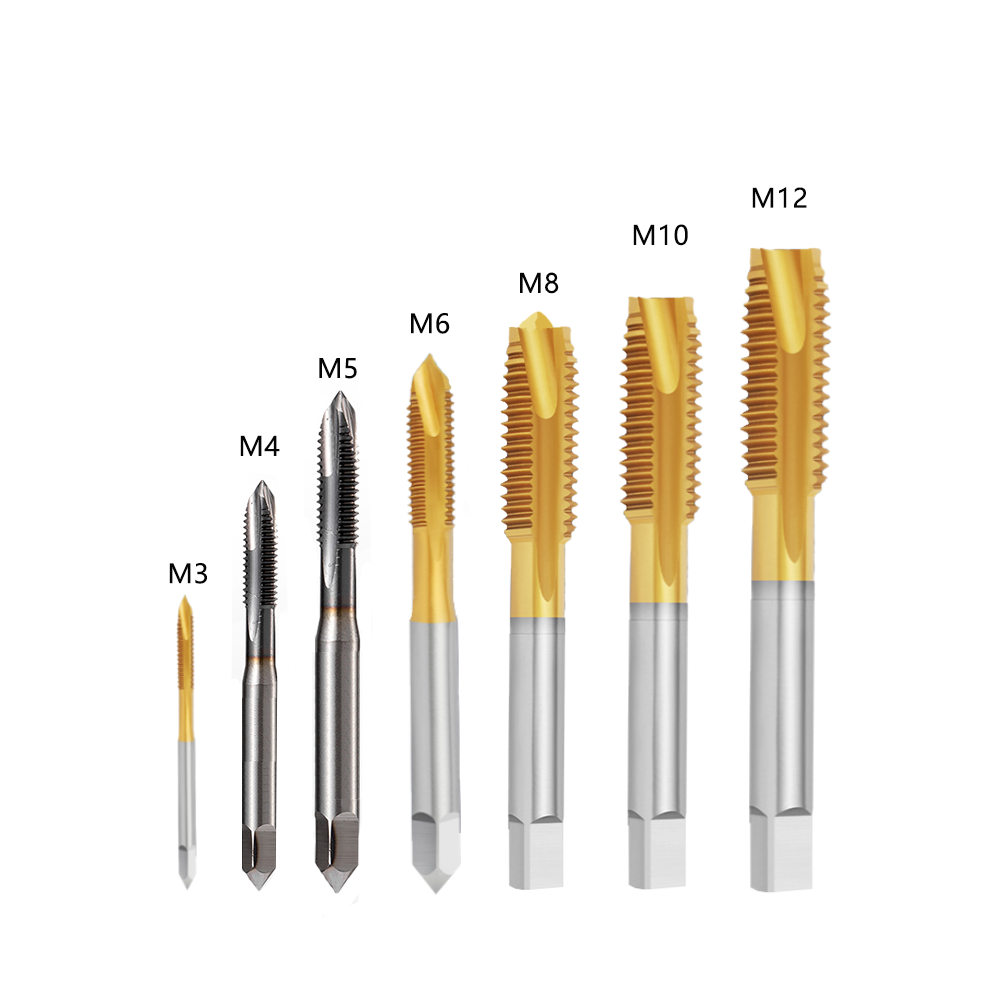
Screw tap
MisolGroup is one of China’s most trusted manufacturers of high-performance thread cutting tools, delivering precision engineering solutions for industries that demand accuracy and durability. Their products support the performance of fine thread self tapping screws by ensuring high-quality thread creation in metals, alloys, and advanced materials.
Advanced Manufacturing Capabilities
MisolGroup controls the complete manufacturing cycle using:
- Advanced CNC automation
- Vacuum heat treatment
- Comprehensive inspection & testing systems
Premium Materials
They utilize high-grade high-speed steels including:
- M35
- DV3
- M2
These materials produce taps capable of creating strong, reliable threads for precision fasteners like fine thread self tapping screws.
Industry Experience & R&D Strength
With nearly 20 years of experience, MisolGroup’s R&D team specializes in optimizing thread tool applications for demanding materials such as cast iron, stainless steel, carbon steel, and non-ferrous alloys.
Industries Served
- Automotive
- Aerospace
- Defense
- Electronics
- Mold & die manufacturing
Featured Products
- Carbide Taps – For extreme hardness and wear resistance
- Nut Taps – For efficient production of left-handed nuts
- Pipe Taps – Specialized for reverse pipe thread applications
- Spiral Flute Taps – Optimal for blind hole applications
- Spiral Point Taps – Designed for through holes with efficient chip evacuation
- Straight Flute Taps – Versatile general-purpose reverse thread taps
MisolGroup is a trusted supplier known for integrity, reliability, and ISO-certified quality control.
Summary Table: Fine Thread vs. Coarse Thread Self Tapping Screws
| Feature | Fine Thread Self Tapping Screws | Coarse Thread Screws |
|---|---|---|
| Thread Pitch | Small, more threads per inch | Larger, fewer threads per inch |
| Strength | Higher tensile & shear strength | Moderate strength |
| Best Material Compatibility | Metals, alloys, precision engineering | Softwoods, plastics |
| Vibration Resistance | Excellent | Fair |
| Applications | Automotive, aerospace, electronics | General construction |
How to Choose Fine Thread Self Tapping Screws
1. Consider the Material
Choose screws suitable for the hardness and thickness of the base material. Fine threads excel in metals and alloys.
2. Evaluate Thread Type
Select thread-forming or thread-cutting based on chip requirements and desired strength.
3. Determine Coating or Finish
Coatings improve corrosion resistance, lubricity, and thread performance.
4. Match the Drive Style
Options like Phillips, Torx, or Hex impact torque efficiency.
5. Select the Right Length & Diameter
Proper sizing ensures maximum thread engagement and load distribution.
6. Check Industry Standards
Look for screws compliant with ISO, DIN, or ASTM specifications.
FAQs
1. What makes fine thread self tapping screws different?
They have more threads per inch, offering stronger grip, greater tensile strength, and better performance in metals.
2. Do fine thread self tapping screws need pre-drilled holes?
Many require a pilot hole, but self-drilling versions can cut their own.
3. Are fine threads stronger than coarse threads?
Yes—fine threads provide greater surface contact, resulting in higher strength.
4. Can they be reused?
They are reusable in many cases, but thread wear depends on the material and application.
5. Where are fine thread self tapping screws most commonly used?
Automotive assemblies, electronics, aerospace fastenings, and high-precision industrial applications.
References