

Table of Contents
Understanding Metric Thread Taps
A metric thread tap is a cutting tool used to create internal threads in a pre-drilled hole, following the metric measurement system. The tool features cutting edges along its fluted body that progressively remove material as it’s rotated into a hole, forming the characteristic helical structure of a screw thread. The metric thread tap is designed specifically for creating threads with dimensions measured in millimeters, which differentiates it from imperial (inch-based) thread taps.
The fundamental components of a metric thread tap include the shank (which is gripped by the tapping tool), the flutes (channels that allow chip removal and cutting fluid distribution), the cutting edges (which perform the actual material removal), and the chamfer (the tapered starting section that guides the tap into the hole). Understanding these components is crucial for selecting the appropriate metric thread tap for your specific application.
Typical components of a metric thread tap
Metric threads are identified by the letter “M” followed by the nominal diameter in millimeters and the pitch (distance between threads), also in millimeters. For example, an M8x1.25 metric thread tap would create threads with an 8mm diameter and 1.25mm pitch. This standardized identification system makes selecting the correct metric thread tap straightforward once you understand the nomenclature.
Types of Metric Thread Taps
There are several specialized types of metric thread taps, each designed for specific applications and materials. Understanding these variations is essential for selecting the right tool for your threading needs.
Straight Flute Taps
Straight flute taps, also known as hand taps, feature flutes that run parallel to the axis of the tap. These are the most common type of metric thread tap and are suitable for a wide range of materials, including steel, cast iron, and non-ferrous metals. They are typically sold in sets of three (taper, plug, and bottoming) to gradually form complete threads in through-holes or blind holes.
Spiral Point Taps
Spiral point taps, often called “gun taps,” feature a specially designed point that pushes chips forward ahead of the tap. This design makes them ideal for through-hole applications where chips can exit the opposite side of the workpiece. The metric thread tap with spiral point geometry provides excellent chip control and reduces the risk of chip clogging in the flutes.
Spiral Flute Taps
Spiral flute taps have flutes that are helically wound around the tap body. This design effectively pulls chips out of the hole during the tapping process, making them perfect for blind hole applications. The spiral flute metric thread tap is particularly effective in stringy materials like aluminum and stainless steel where chip evacuation can be challenging.
Pipe Taps
Pipe taps are specifically designed for creating threads in pipe fittings. These metric thread taps follow the metric pipe thread standards and typically have a tapered profile to ensure a tight, leak-proof seal. They are essential for plumbing, hydraulic, and pneumatic applications where pressure integrity is critical.
Nut Taps
Nut taps are extra-long metric thread taps designed specifically for threading nuts in high-volume production environments. Their extended length allows multiple nuts to be threaded at once, significantly improving production efficiency. These specialized taps are commonly used with automatic nut tapping machines in manufacturing facilities.
Carbide Taps
Carbide taps are manufactured from tungsten carbide, making them exceptionally hard and wear-resistant. This type of metric thread tap is ideal for challenging materials like hardened steels, cast iron, and abrasive composites. While more expensive than high-speed steel taps, carbide taps offer significantly longer tool life in demanding applications.
How to Select the Right Metric Thread Tap
Choosing the appropriate metric thread tap requires careful consideration of several factors to ensure optimal performance and thread quality.
Key Selection Factors
- Material being tapped: Different materials require specific tap geometries and coatings
- Hole type: Through holes vs. blind holes dictate chip evacuation requirements
- Thread specifications: Diameter, pitch, and thread class determine the exact tap needed
- Production volume: High-volume applications may justify premium taps with longer tool life
- Equipment capabilities: Machine rigidity and available horsepower influence tap selection
When selecting a metric thread tap, always match the tap material to the workpiece material. High-speed steel (HSS) taps work well for most general applications, while cobalt HSS offers better heat resistance for tougher materials. For the most demanding applications or abrasive materials, carbide metric thread taps provide the best performance and longest tool life.
The coating on a metric thread tap also plays a crucial role in performance. Titanium nitride (TiN) coatings reduce friction and increase hardness, while titanium carbonitride (TiCN) offers even better wear resistance. For aluminum and other non-ferrous materials, polished flutes with specialized coatings prevent material adhesion and galling.
Proper Usage and Best Practices
Using a metric thread tap correctly is essential for producing quality threads and maximizing tool life. Follow these best practices for optimal results:
Preparation and Setup
Before tapping, ensure the pilot hole is correctly sized for the specific metric thread tap you’re using. Refer to tap drill charts to determine the appropriate hole diameter. The workpiece should be securely clamped to prevent movement during tapping, and the tap must be perfectly aligned with the hole to avoid broken taps or crooked threads.
Tapping Technique
When hand tapping, apply steady, even pressure while turning the tap wrench. For every two forward turns, make a half turn backward to break chips and prevent binding. Always use an appropriate cutting fluid or tapping compound to reduce friction, dissipate heat, and improve thread finish. The specific fluid should be matched to the workpiece material.
Troubleshooting Common Issues
If a metric thread tap breaks during use, specialized removal tools are available. To prevent breakage, never force a tap that feels stuck. Common threading problems like rough threads, oversize threads, or tap breakage are often caused by incorrect hole size, improper alignment, dull taps, or inadequate lubrication.
Company Spotlight: MisolGroup – Precision in Thread Cutting Tools
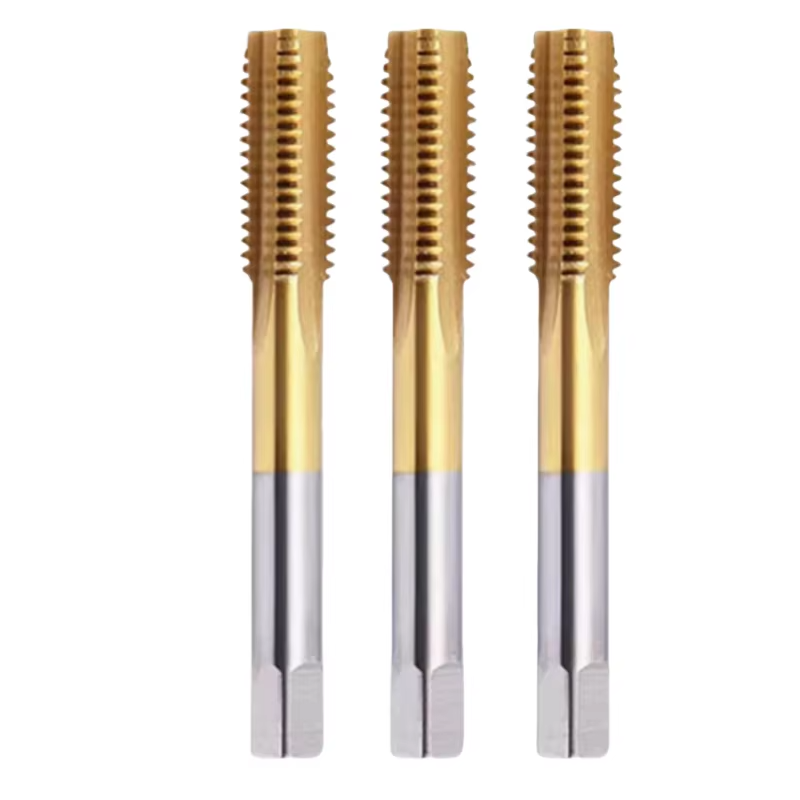
Since our founding in 2005, MisolGroup has established itself as a leading Chinese manufacturer of high-performance thread cutting tools, integrating R&D, production, and global sales into a seamless operation.
Advanced Manufacturing & Uncompromising Quality
Our commitment to excellence is embedded in our manufacturing process:
- Full In-House Production: We control the entire process with advanced CNC automation, vacuum heat treatment, and comprehensive testing facilities.
- Premium Materials: We use high-grade high-speed steels (HSS) like M35, DV3, and M2 to produce durable premium taps that ensure superior performance and longer tool life.
- R&D Expertise: Our strong R&D team, backed by nearly two decades of experience, focuses on innovating thread tool applications for the most demanding materials.
Engineered for Demanding Industries & Materials
Our threading tools are optimized to excel across a wide range of applications:
- Key Industries Served: Automotive, Aerospace, Defense, Electronics, and Mold & Die Manufacturing.
- Material Expertise: Effectively machining cast iron, carbon steel, stainless steel, and non-ferrous alloys.
MisolGroup Product Range
Our comprehensive product lineup includes:
- Carbide Taps: Exceptional hardness and wear resistance for demanding applications
- Nut Taps: Specialized design for high-volume nut production
- Pipe Taps: Precision tools for leak-proof pipe thread connections
- Spiral Flute Taps: Optimal chip evacuation for blind hole applications
- Spiral Point Taps: Efficient chip management for through-hole threading
- Straight Flute Taps: Versatile general-purpose threading solutions
A Partnership Built on Reliability and Integrity
Our strict, ISO-certified quality management system guarantees consistent reliability. We are recognized as a trustworthy, contract-compliant supplier committed to customer satisfaction.
Metric Thread Tap Comparison Table
| Tap Type | Primary Application | Chip Management | Best For Materials | Key Advantage |
|---|---|---|---|---|
| Straight Flute | General purpose, hand tapping | Limited chip control | Steel, cast iron, brass | Versatility, cost-effective |
| Spiral Point | Through holes | Pushes chips forward | Most metals, plastics | Excellent chip evacuation in through holes |
| Spiral Flute | Blind holes | Pulls chips upward | Aluminum, stainless steel | Superior chip removal in blind holes |
| Pipe Taps | Pipe fittings | Varies by flute type | Steel, stainless steel | Tapered threads for sealing |
| Nut Taps | High-volume nut production | Varies by flute type | All nut materials | Extended length for stacking nuts |
| Carbide Taps | Hard/abrasive materials | Varies by flute type | Hardened steel, cast iron | Exceptional wear resistance |
Frequently Asked Questions
What is the difference between a metric thread tap and an imperial thread tap?
The fundamental difference lies in the measurement system. A metric thread tap creates threads with dimensions specified in millimeters (diameter and pitch), while imperial taps use inches and threads per inch (TPI). The thread forms are also slightly different, so they are not interchangeable.
How do I know what size metric thread tap to use?
Metric thread taps are identified by the letter “M” followed by the nominal diameter and pitch in millimeters (e.g., M8x1.25). Consult engineering drawings or specifications to determine the required thread size, then select the corresponding metric thread tap.
What is the proper tapping speed for metric thread taps?
Tapping speed depends on the workpiece material, tap type, and cutting fluid used. Generally, softer materials allow higher speeds while harder materials require slower speeds. Consult manufacturer recommendations, but as a starting point, aluminum might be tapped at 20-30 SFM (surface feet per minute), while stainless steel might require 5-15 SFM.
Why does my metric thread tap keep breaking?
Common causes of tap breakage include incorrect hole size, misalignment, dull tap, inadequate lubrication, excessive speed, or chip clogging. Ensure you’re using the correct tap drill size, proper alignment, sharp tools, appropriate cutting fluid, and correct operating parameters.
Can I use a metric thread tap in a drill press?
While possible, using a metric thread tap in a standard drill press is not recommended unless you have a tapping attachment that provides the necessary reversal capability. For manual operations, a tap wrench provides better control and feel, reducing the risk of breakage.
How many holes can I tap with one metric thread tap?
Tool life varies significantly based on the material being tapped, tap quality, operating conditions, and thread specifications. A quality HSS metric thread tap might produce hundreds of threads in aluminum but far fewer in hardened steel. Monitor tap condition regularly and replace when thread quality deteriorates.
References
Conclusion
The metric thread tap is a fundamental tool in precision manufacturing, essential for creating accurate internal threads in a wide variety of materials and applications. Understanding the different types of metric thread taps, their specific applications, and proper usage techniques is crucial for achieving high-quality results and maximizing tool life. From general-purpose straight flute taps to specialized spiral flute, spiral point, and carbide taps, each variant offers unique advantages for specific threading challenges. Companies like MisolGroup continue to advance tap technology through rigorous R&D and quality manufacturing processes, providing industry professionals with reliable, high-performance threading solutions. By selecting the appropriate metric thread tap for your specific application and following best practices for usage and maintenance, you can ensure precise, durable threads that meet the most demanding specifications.