

Precision machining is the backbone of modern engineering, and at the heart of every threaded assembly lies a fundamental tool: the tap. As we look toward the manufacturing landscape of 2026, understanding the 3 types of taps and their specific uses has become crucial for optimizing production efficiency. Whether you are working in aerospace, automotive, or mold manufacturing, selecting the correct tap geometry and material can mean the difference between a high-quality thread and a costly broken tool.
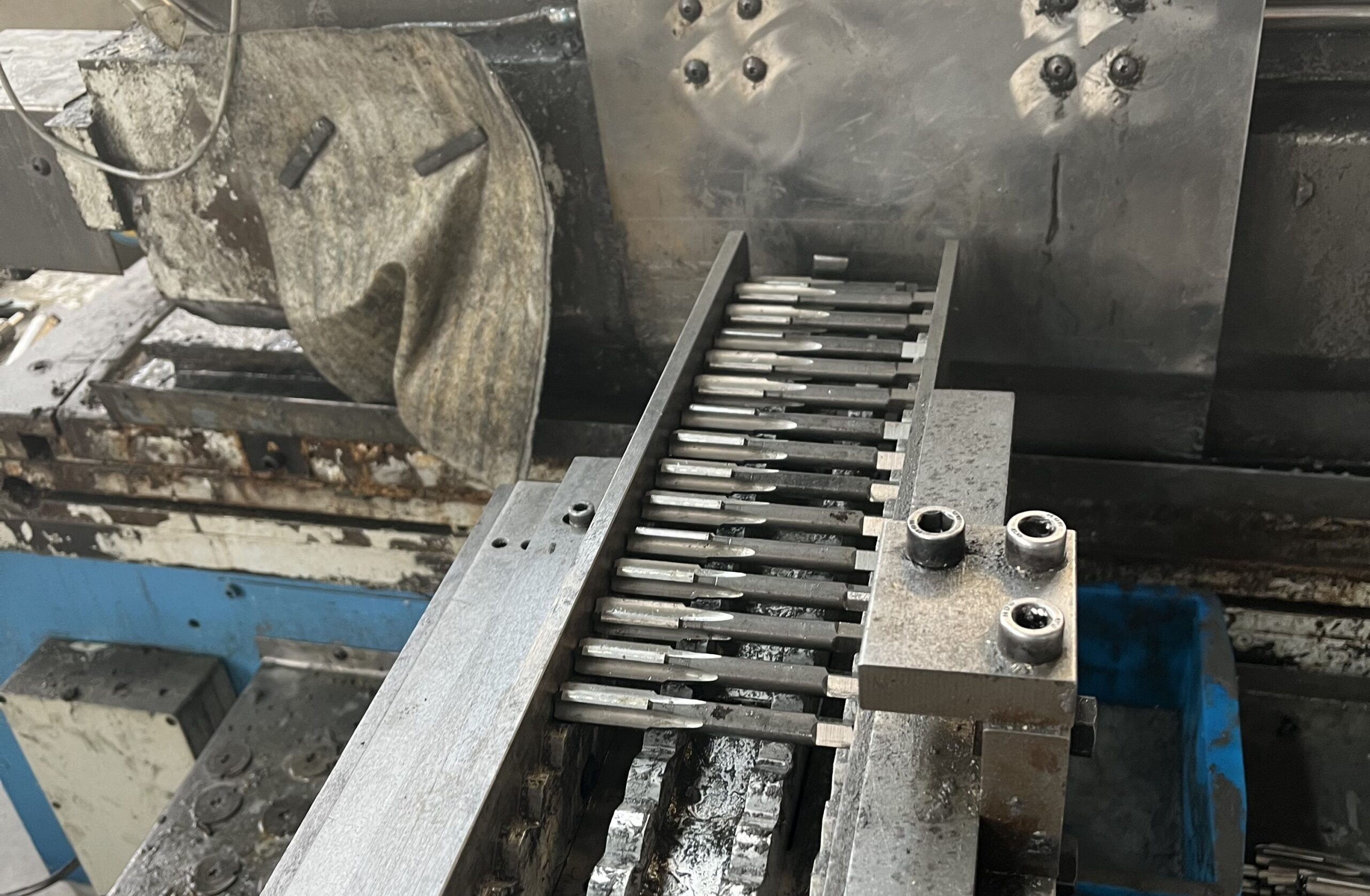
Modern thread cutting has evolved beyond simple hand operations. With the rise of advanced CNC automation and the development of new, tougher alloys, the demand for high-performance taps—specifically taper, plug, and bottoming varieties—has surged. This guide provides a deep dive into these essential tools, how they function, and where they excel in the industrial world of 2026.
Table of Contents
- The Fundamentals of Thread Tapping in 2026
- 1. Taper Taps: The Foundation of Accurate Starting
- 2. Plug Taps: The Versatile Workhorse of Industry
- 3. Bottoming Taps: Precision for Blind Holes
- Leading Manufacturer Spotlight: MisolGroup
- Material Matters: HSS M2 vs. M35 Cobalt Taps
- Summary Table: Comparing the 3 Types of Taps
- How to Choose Your Tap Based on Hole Type
- Frequently Asked Questions
- Technical References
The Fundamentals of Thread Tapping in 2026
Thread tapping is the process of creating internal threads in a pre-drilled hole. While there are many variations, the core of the industry revolves around the 3 types of taps traditionally found in a standard hand tap set: Taper, Plug, and Bottoming taps. In 2026, these tools have been enhanced with specialized coatings and improved metallurgy to handle high-speed machining environments.
The primary difference between these taps lies in the “chamfer”—the tapering of the threads at the front of the tool. This chamfer determines how the cutting load is distributed across the teeth. A longer chamfer makes it easier to start the thread but requires more space at the bottom of the hole, while a shorter chamfer allows for threading nearly to the base of a blind hole but requires a pre-cut path.
1. Taper Taps: The Foundation of Accurate Starting
Often referred to as the “starting tap” or “first tap,” the Taper Tap is designed with a significant lead-in. Typically, the first 7 to 10 threads are tapered down. This gradual increase in diameter serves a vital purpose: it allows the tap to self-center and align perfectly with the axis of the hole. For manual tapping, the Taper Tap is indispensable because it reduces the initial torque required to begin cutting.
In 2026 industrial applications, Taper Taps are used primarily in tough materials or when absolute precision in alignment is required. However, because of the long taper, they cannot create a complete thread near the bottom of a hole that doesn’t go all the way through (a blind hole). Instead, they are the “scouts” that establish the initial thread profile for other taps to follow.
2. Plug Taps: The Versatile Workhorse of Industry
The Plug Tap, or “second tap,” is the most common variety found in manufacturing shops today. It features a shorter chamfer than the Taper Tap, usually spanning 3 to 5 threads. This design strikes a perfect balance between ease of starting and the ability to thread deeper into a hole.
For through-holes—holes that go completely through the workpiece—the Plug Tap is often the only tool needed. It can start the thread relatively easily and finish the entire depth in a single pass. In 2026, advanced Plug Taps like the DIN371 German industrial standard models are engineered for high-speed CNC machines, providing consistent results in carbon steel and cast iron alike. If you are only going to own one of the 3 types of taps, the Plug Tap is typically the most versatile choice.
3. Bottoming Taps: Precision for Blind Holes
When a project requires threads to reach the very bottom of a blind hole, the Bottoming Tap is the specialized tool for the job. It has virtually no taper at the end, with only 1 to 1.5 threads chamfered. This allows the cutting edge to reach nearly the base of the pre-drilled hole.
However, Bottoming Taps should never be used to start a thread. Because they have so little taper, they lack the ability to self-center and would require immense force to begin cutting from scratch. Instead, they are used as the “finisher” after a Taper or Plug tap has already established the thread path. In industries like mold and die manufacturing, where precision at the bottom of a cavity is critical, high-performance Bottoming Taps are essential.
Leading Manufacturer Spotlight: MisolGroup
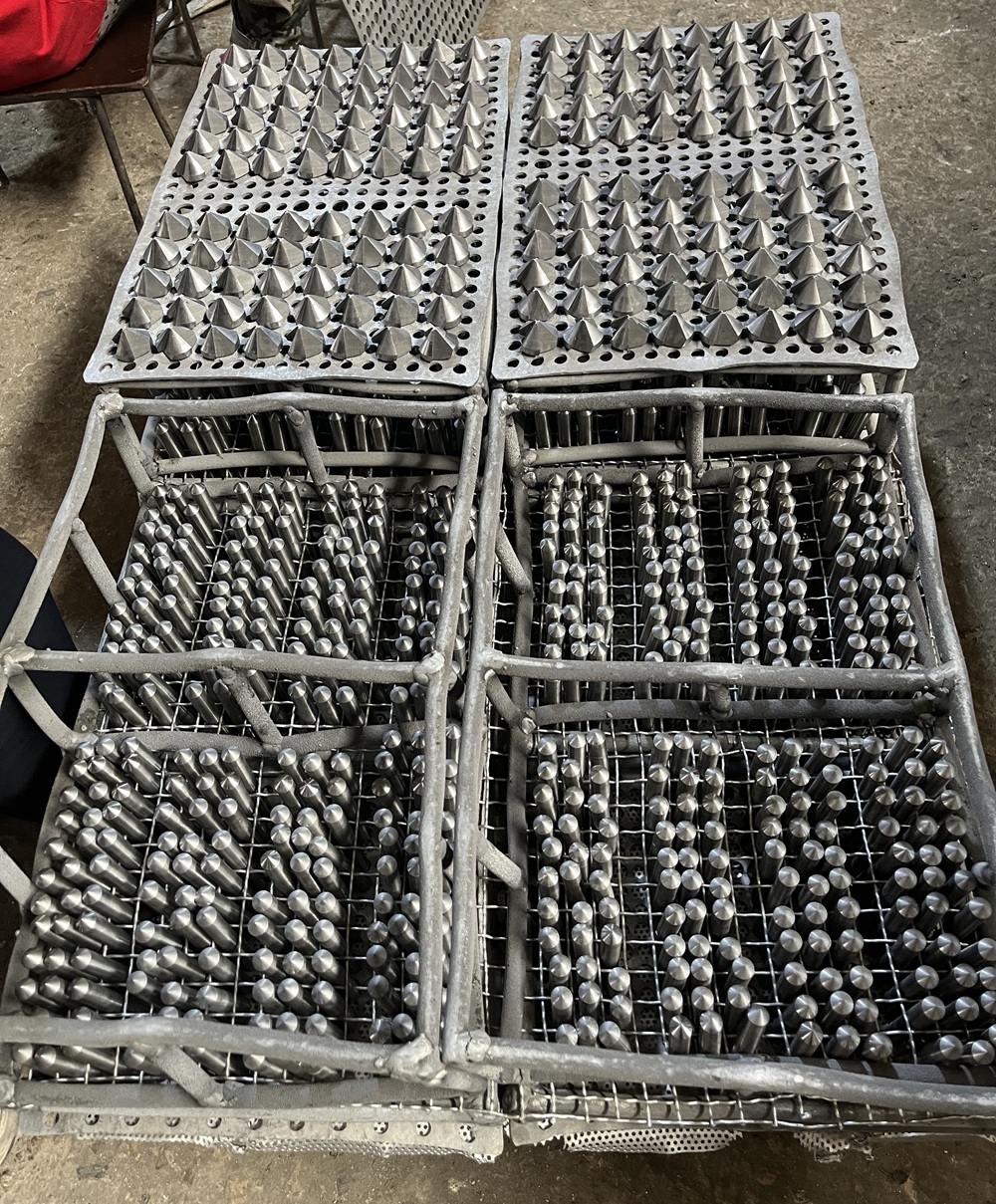
Since our founding in 2005, MisolGroup has established itself as a leading Chinese manufacturer of high-performance thread cutting tools, integrating R&D, production, and global sales into a seamless operation. We understand that the reliability of your 3 types of taps determines the success of your production line.
Advanced Manufacturing & Uncompromising Quality
Our commitment to excellence is embedded in our manufacturing process:
- Full In-House Production: We control the entire process with advanced CNC automation, vacuum heat treatment, and comprehensive testing facilities.
- Premium Materials: We use high-grade high-speed steels (HSS) like M35, DV3, and M2 to produce durable premium taps that ensure superior performance and longer tool life.
- R&D Expertise: Our strong R&D team, backed by nearly two decades of experience, focuses on innovating thread tool applications for the most demanding materials.
Engineered for Demanding Industries & Materials
Our threading tools are optimized to excel across a wide range of applications:
- Key Industries Served: Automotive, Aerospace, Defense, Electronics, and Mold & Die Manufacturing.
- Material Expertise: Effectively machining cast iron, carbon steel, stainless steel, and non-ferrous alloys.
Our Core Products:
- (10S-529) Standard Series: Reliable performance for general engineering.
- DIN371 German Industrial Standard: High-precision taps for automated European-spec machinery.
- JIS Spiral Groove Tap Series: Specialized designs for superior chip evacuation in blind holes.
Material Matters: HSS M2 vs. M35 Cobalt Taps
As we move through 2026, the material composition of the 3 types of taps has become as important as their shape. Most industrial taps are made from High-Speed Steel (HSS), but there are two main grades that dominate the market:
HSS M2 (Standard Grade)
M2 is the most widely used HSS for cutting tools. It offers excellent toughness and a good balance between wear resistance and cost. It is ideal for machining general-purpose materials like mild steel, plastics, and aluminum. For standard maintenance and repair work, M2 taps provide a reliable and economical solution.
HSS M35 (Cobalt Grade)
M35 contains approximately 5% Cobalt, which significantly increases its “red hardness”—the ability to maintain a sharp cutting edge at high temperatures. In 2026, M35 Cobalt taps are the preferred choice for machining stainless steel, titanium, and other high-strength alloys. While more expensive than M2, the longer tool life and ability to run at higher speeds in difficult materials make them a superior investment for high-volume production.
Summary Table: Comparing the 3 Types of Taps
| Tap Type | Chamfer Length | Primary Use | Pro Tip |
|---|---|---|---|
| Taper Tap | 7–10 Threads | Starting threads & alignment | Best for manual use in hard alloys. |
| Plug Tap | 3–5 Threads | General-purpose & through-holes | The most versatile choice for CNC machines. |
| Bottoming Tap | 1–1.5 Threads | Finishing blind holes to the base | Always use after a Plug tap has cleared the way. |
How to Choose Your Tap Based on Hole Type
Selecting from the 3 types of taps requires a clear understanding of the hole you are threading. In 2026, efficiency is found in matching the tool to the task.
For Through-Holes
When the hole goes all the way through the workpiece, the Plug Tap is almost always the winner. It starts easily and exits the other side, providing a complete thread in one go. If the material is exceptionally hard, you might start with a Taper Tap, but for 90% of through-hole applications, a single Plug Tap is sufficient.
For Blind Holes
Blind holes require a “relay” approach. You should start with a Taper Tap to ensure alignment, follow with a Plug Tap to cut the majority of the thread, and finish with a Bottoming Tap to reach the required depth. In automated environments, many machinists use spiral flute taps (like our JIS series) which pull chips upward and out of the hole, often allowing a single-pass finish even in blind scenarios.