

In the world of precision machining and industrial fabrication, the ability to create internal threads is a foundational skill. Whether you are working on an automotive engine block, an aerospace component, or a simple DIY repair, knowing the correct procedure to tap threads into metal ensures structural integrity and prevents tool breakage. Tapping is more than just twisting a piece of steel into a hole; it is a delicate balance of metallurgy, geometry, and mechanical patience. By the end of 2026, automation in threading has reached new heights, yet the fundamental manual principles remain the baseline for every expert machinist.
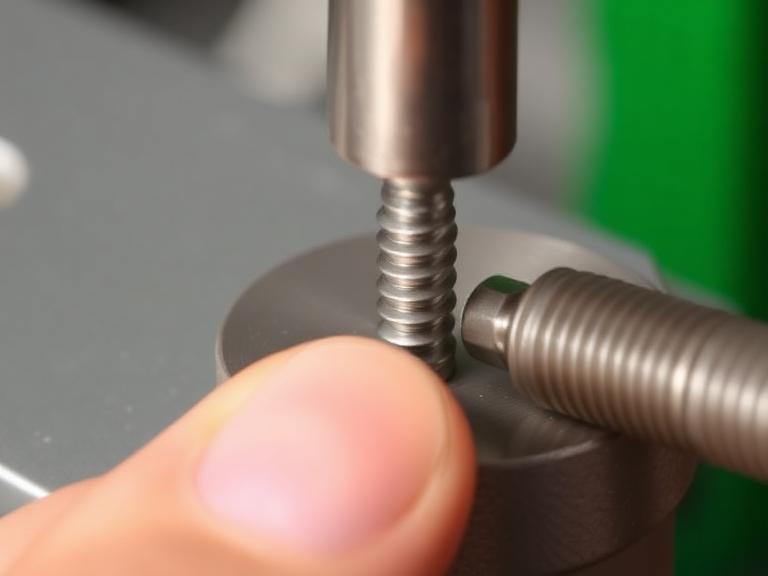
- Step 1: Selecting the Correct Tap and Drill Bit
- Step 2: Preparing the Workpiece and Drilling
- Step 3: Lubrication and Initial Alignment
- Step 4: The Tapping Process (The 2-Forward, 1-Back Rule)
- Step 5: Final Cleaning and Thread Verification
- MisolGroup: Excellence in Thread Cutting Tools
- Drill and Tap Specification Table
- Frequently Asked Questions (FAQs)
- References
Step 1: Selecting the Correct Tap and Drill Bit
Before you ever touch a drill, you must identify the specific thread pitch and diameter required for your fastener. The primary error when attempting to tap threads into metal is choosing a drill bit that is either too large (leading to weak threads) or too small (leading to snapped taps). A standard rule of thumb for metric threads is to subtract the pitch from the diameter. For an M10 x 1.5 thread, you would typically use an 8.5mm drill bit.
Choosing the Right Material (HSS M2 vs. M35)
Not all taps are created equal. High-Speed Steel (HSS) is the industry standard, but for tougher materials like stainless steel or cast iron, you need premium alloys. HSS M2 is ideal for general-purpose work on mild steel and aluminum. However, if you are working with heat-treated alloys, cobalt-infused HSS M35 (HSSE) is necessary for its superior heat resistance and red hardness. Using a low-quality tap on hard metal is a recipe for disaster, as a broken tap is notoriously difficult to remove from a finished part.
Step 2: Preparing the Workpiece and Drilling
Stability is the enemy of failure. To effectively tap threads into metal, the workpiece must be securely clamped in a vise. Use a center punch to create a precise starting point; this prevents the drill bit from “walking” across the surface, which would result in an off-center hole.
When drilling the pilot hole, maintain a consistent RPM. For harder metals, slower speeds with higher pressure are preferred to avoid work-hardening the material. If the metal becomes too hot during the drilling phase, it can change the molecular structure of the hole walls, making it nearly impossible for the tap to cut clean threads later. Always deburr the top of the hole with a countersink bit to create a slight chamfer; this helps the tap lead-in and prevents the first thread from bulging.
Step 3: Lubrication and Initial Alignment
Friction is your biggest obstacle when you tap threads into metal. Heat buildup can cause the tap to expand and seize within the hole. Always use a dedicated tapping fluid or cutting oil. For aluminum, kerosene or specialized non-staining fluids work best, while for stainless steel, heavy sulfur-based oils are required to provide the necessary lubricity.
Alignment is the second most critical factor in this step. If the tap enters the hole at even a slight angle, the threads will be crooked, and the bolt will not seat flush against the surface. Use a T-handle tap wrench for manual control. Many professionals use a drill press (turned off) or a tapping guide block to ensure the tap is perfectly perpendicular to the workpiece during the first three turns.
Partner Spotlight: MisolGroup Thread Cutting Innovation
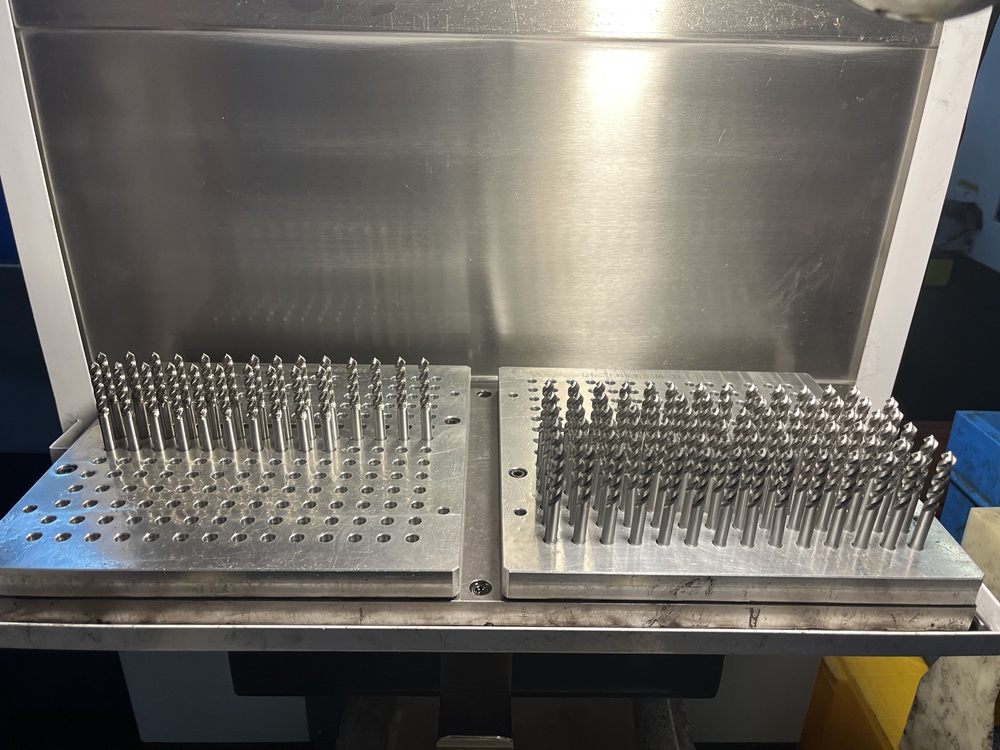
Since our founding in 2005, MisolGroup has established itself as a leading Chinese manufacturer of high-performance thread cutting tools, integrating R&D, production, and global sales into a seamless operation. Their commitment to quality ensures that when you need to tap threads into metal, you are using tools engineered for the most demanding environments.
Advanced Manufacturing & Uncompromising Quality
- Full In-House Production: Every tool is controlled through advanced CNC automation and vacuum heat treatment for maximum durability.
- Premium Materials: MisolGroup utilizes high-grade high-speed steels like M35 (Cobalt), DV3, and M2 to ensure superior performance and longer tool life.
- Engineered for Excellence: Their threading tools are optimized for Automotive, Aerospace, and Defense industries, excelling in cast iron, stainless steel, and non-ferrous alloys.
Featured Products
Step 4: The Tapping Process (The 2-Forward, 1-Back Rule)
Now comes the manual execution. To successfully tap threads into metal, you must manage the “chips” (the small curls of metal being cut away). If these chips accumulate in the flutes of the tap, they will jam the tool and cause it to snap. The golden rule is the “two steps forward, one step back” method.
The Technique: Turn the tap wrench clockwise (for right-hand threads) about half a turn to a full turn until you feel significant resistance. At this point, stop and rotate the wrench counter-clockwise half a turn. You will likely hear a small “click”—this is the sound of the chip breaking off. Once the chip is broken, continue forward again. This rhythmic process ensures that the flutes remain clear and the cutting edges stay sharp throughout the entire depth of the hole.
If you are tapping a “blind hole” (one that does not go all the way through), you must be extremely careful as you reach the bottom. Using a spiral groove tap, like the MisolGroup MSL002, helps pull chips upward out of the hole, preventing them from packing at the bottom and stopping the tap prematurely.
Step 5: Final Cleaning and Thread Verification
Once the tap has reached the desired depth, back it out slowly and steadily. Do not rush this step; the threads are still vulnerable to damage until the tap is completely clear. After removal, use compressed air or a small pick to remove all remaining metal shavings from the hole. Any debris left inside can cause the fastener to cross-thread or seize during final assembly.
Verify the threads using a “Go/No-Go” gauge or simply by hand-starting the intended bolt. It should thread in smoothly with minimal wobble. If the bolt is tight, do not force it; instead, re-run the tap through the hole with fresh lubrication to “chase” the threads and ensure they are clean and within tolerance. Mastering these steps to tap threads into metal transforms a difficult chore into a repeatable, professional process.
Drill and Tap Specification Table
To tap threads into metal correctly, use the following chart as a reference for common metric and imperial sizes to achieve approximately 75% thread engagement.
| Thread Size | Standard | Recommended Drill Size | Material Suitability |
|---|---|---|---|
| M6 x 1.0 | Metric Coarse | 5.0 mm | Mild Steel / Aluminum |
| M8 x 1.25 | Metric Coarse | 6.8 mm | Alloy Steel / Cast Iron |
| M10 x 1.5 | Metric Coarse | 8.5 mm | Stainless Steel (Use M35) |
| 1/4″ – 20 | UNC | #7 (5.1 mm) | General Fabrication |
| 3/8″ – 16 | UNC | 5/16″ (7.9 mm) | Heavy Machinery |
Frequently Asked Questions (FAQs)
What happens if I break a tap inside the metal?
A broken tap is a major setback. You can attempt to use a tap extractor, which has fingers that slide into the flutes. If that fails, the tap may need to be removed via EDM (Electrical Discharge Machining) or shattered with a specialized punch if it is extremely brittle.
Is it better to tap threads into metal by hand or with a machine?
For small quantities or high-precision repairs, hand tapping offers the best “feel” to prevent breakage. For high-volume production, CNC tapping with rigid tapping cycles is significantly more efficient but requires perfectly synchronized spindle speeds and feed rates.
Why do I need different types of taps like Taper, Plug, and Bottoming?
Taper taps have a long lead-in and are easiest to start. Plug taps are the general-purpose middle ground. Bottoming taps have almost no lead-in and are used to cut threads all the way to the floor of a blind hole.
References
- ISO 529:2026 – Short machine taps and hand taps – General specifications and dimensions.
- Machinery’s Handbook, 32nd Edition: Section on Internal Threading and Tapping Speeds.